
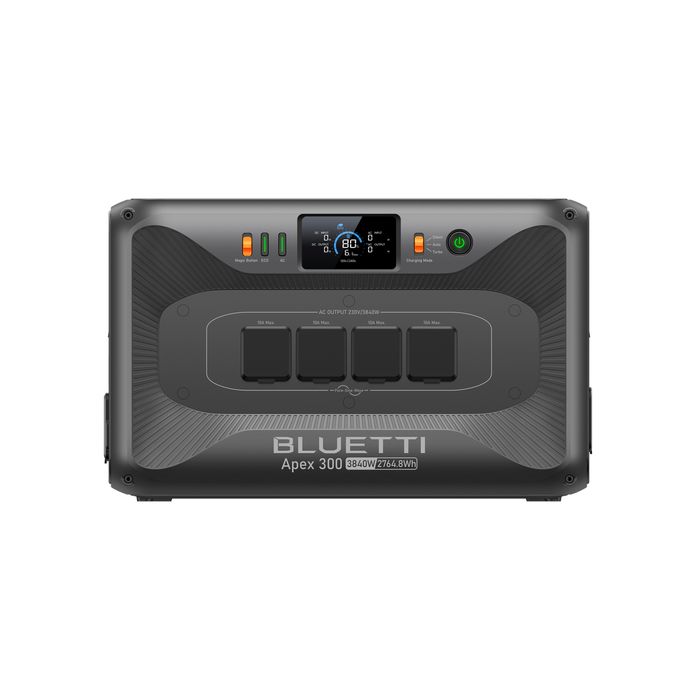
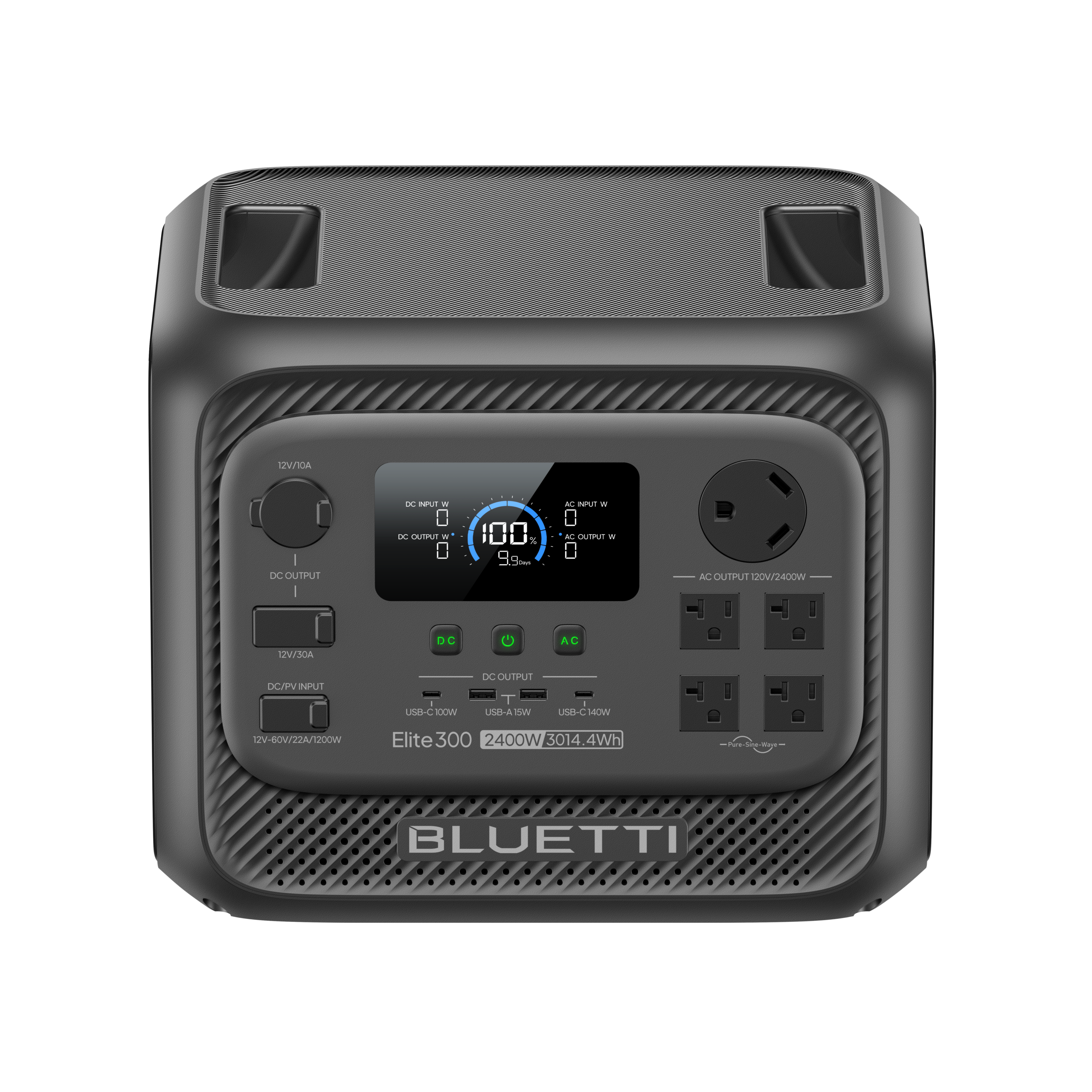
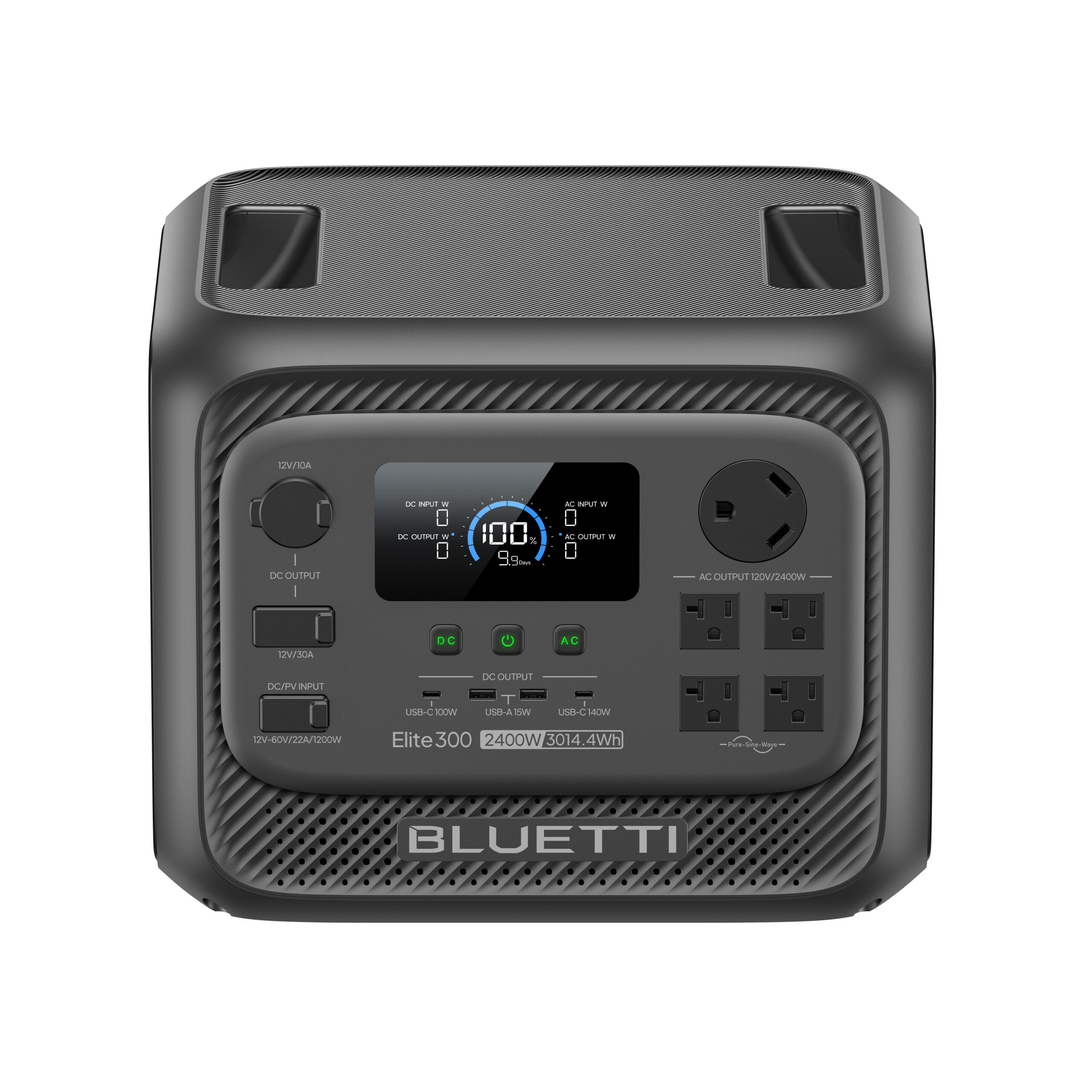
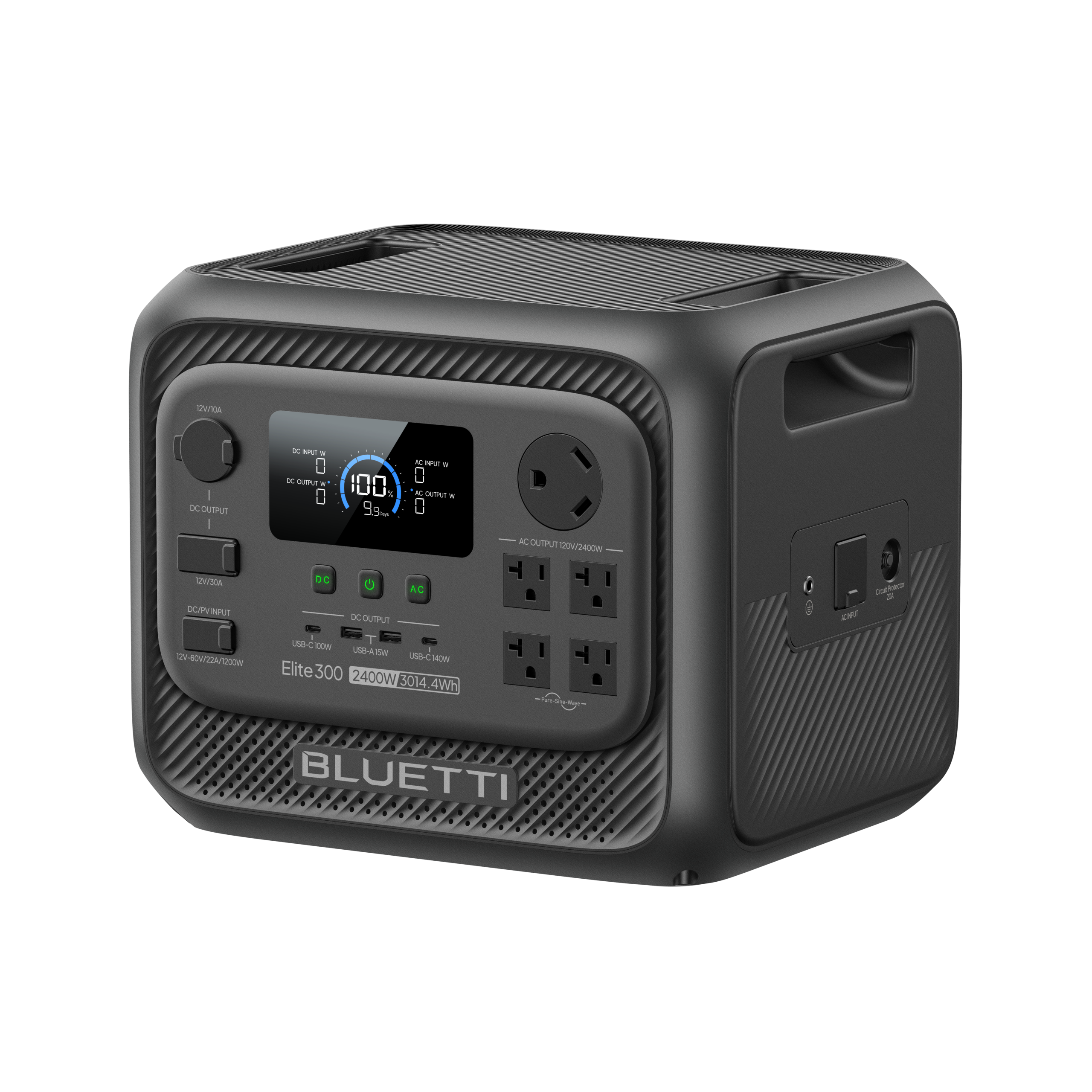
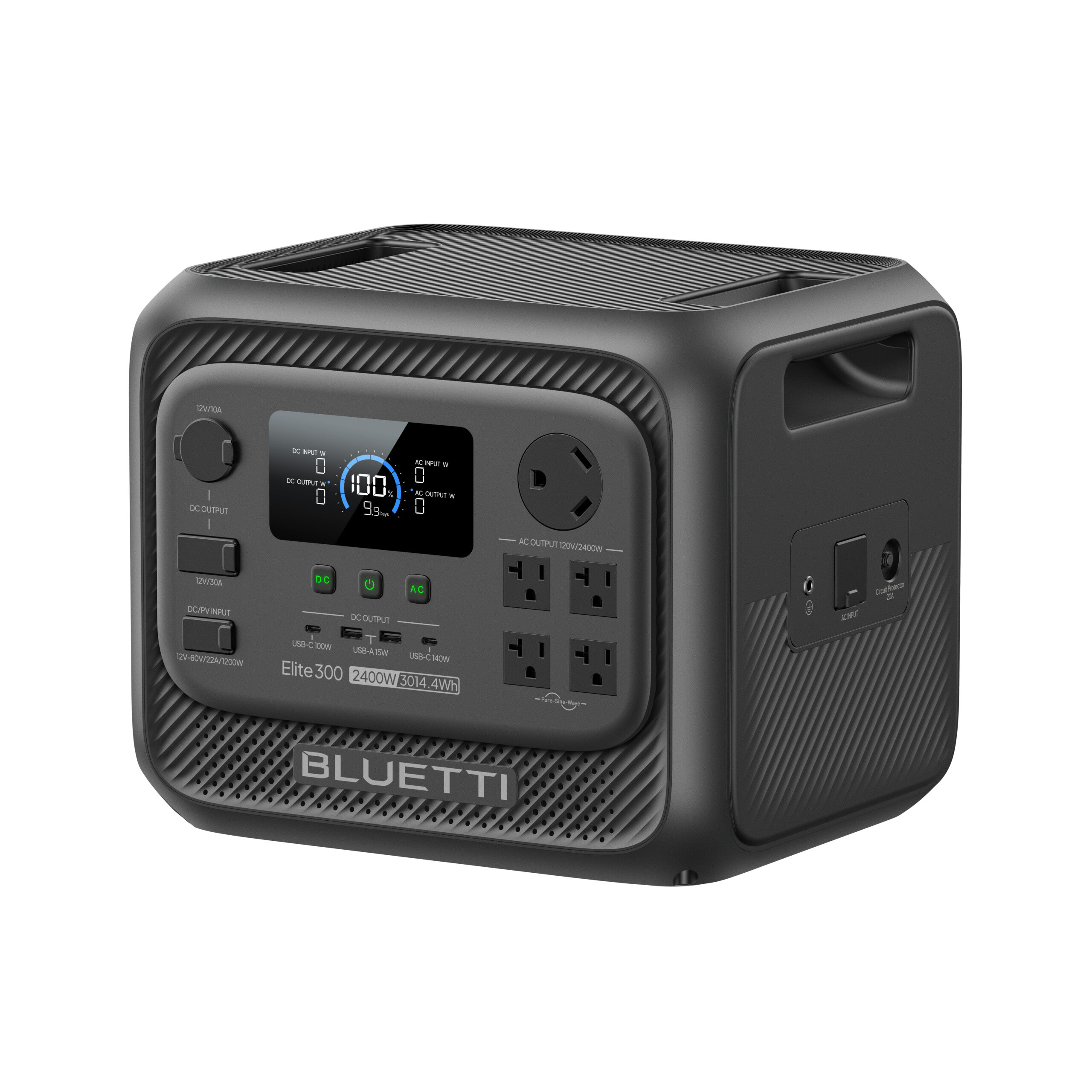
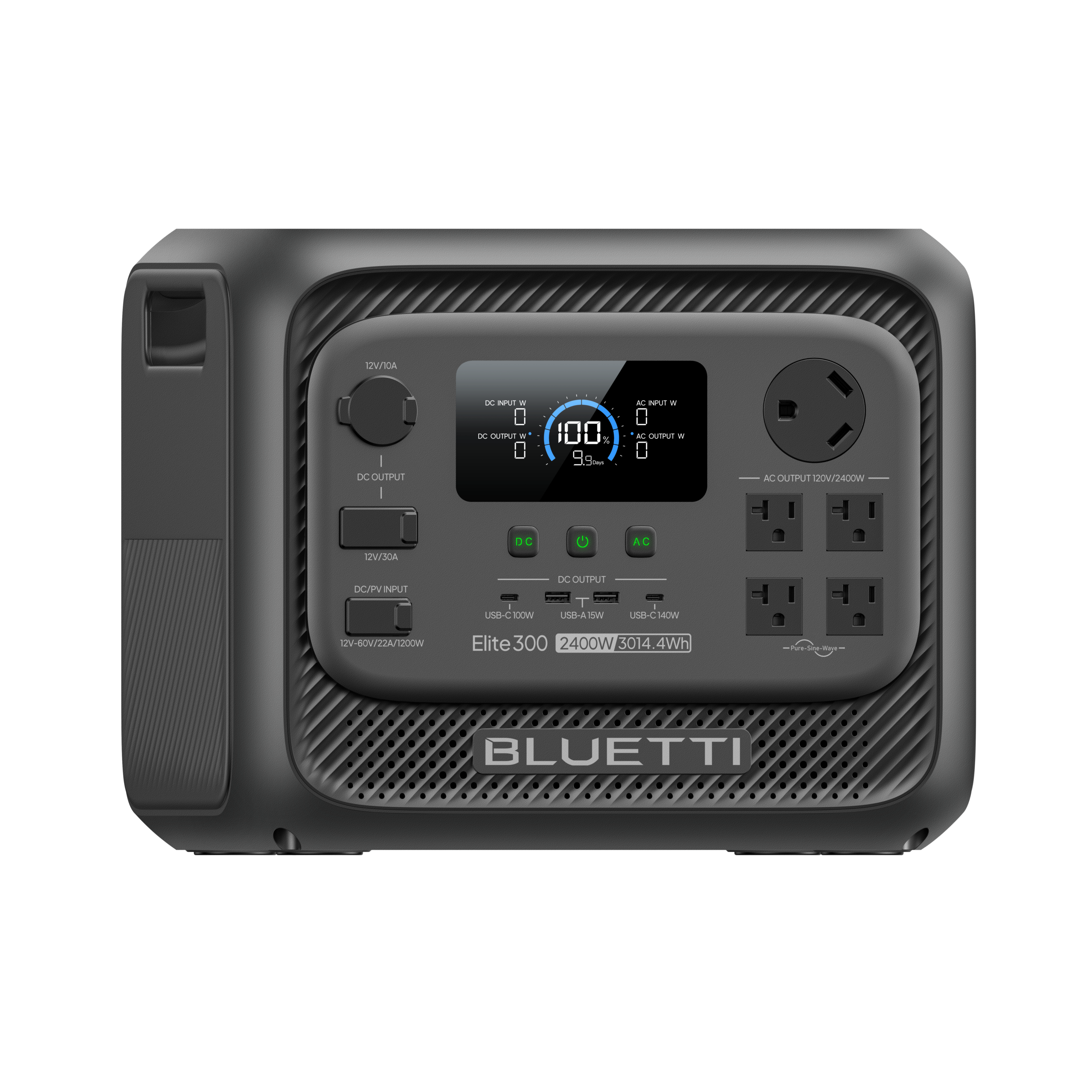
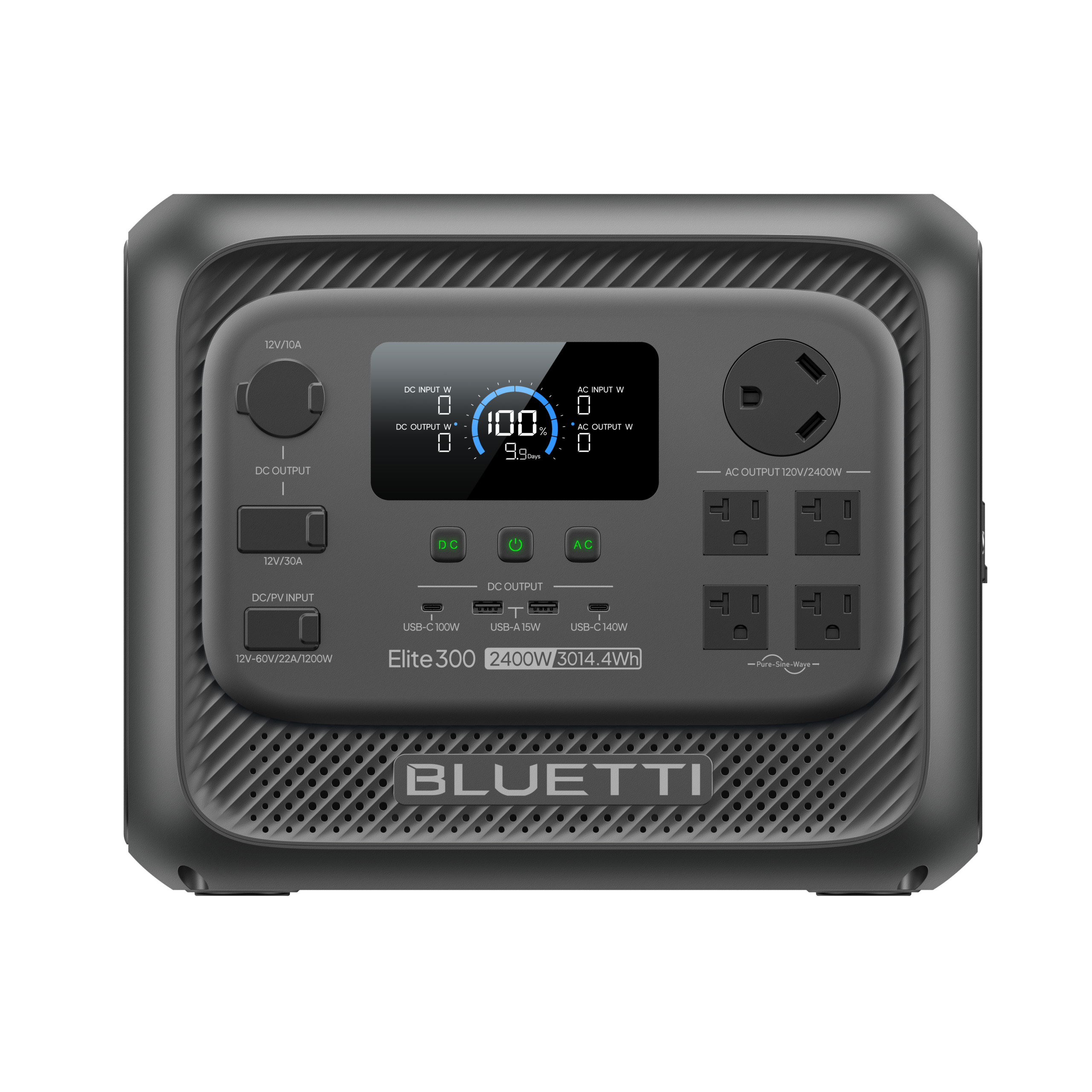
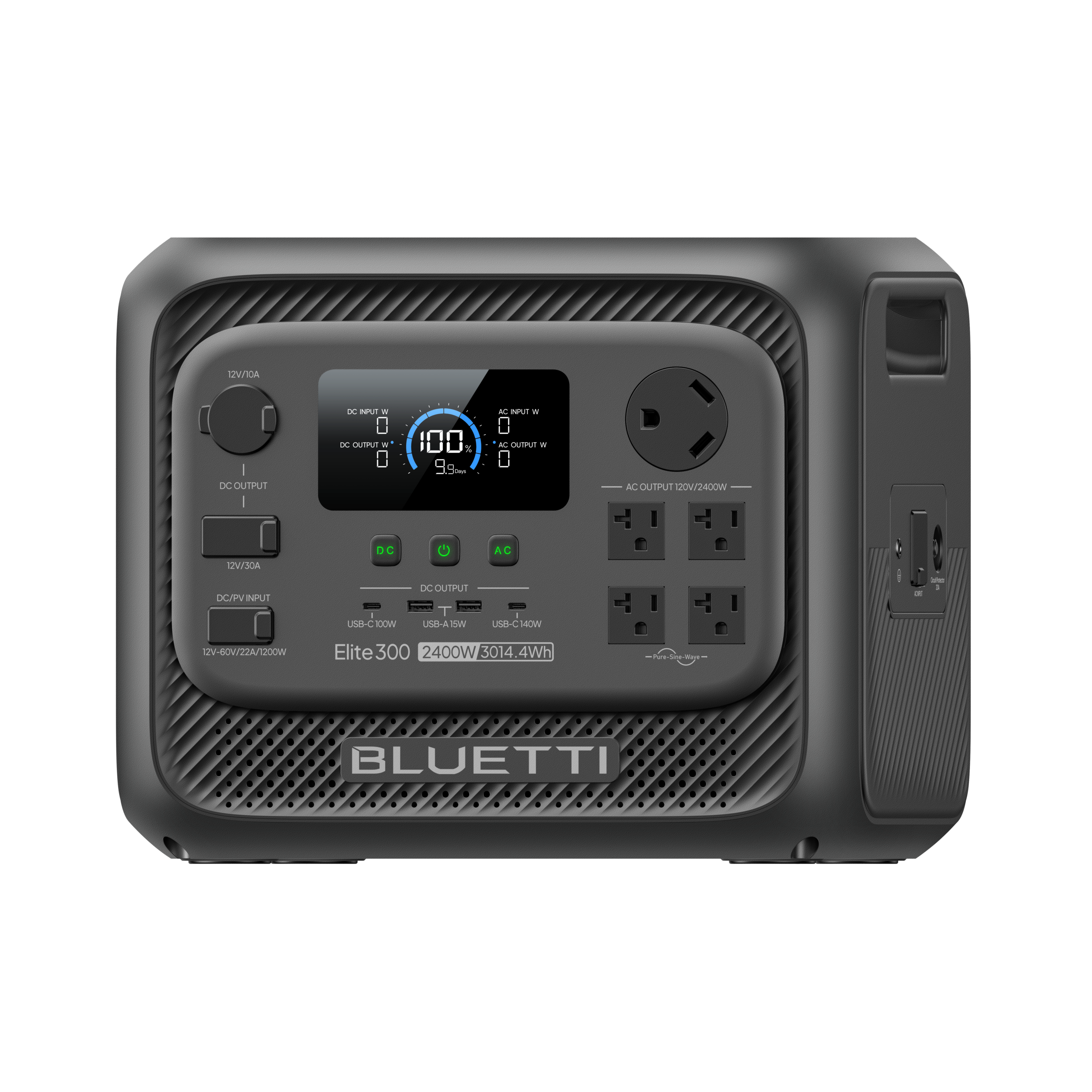
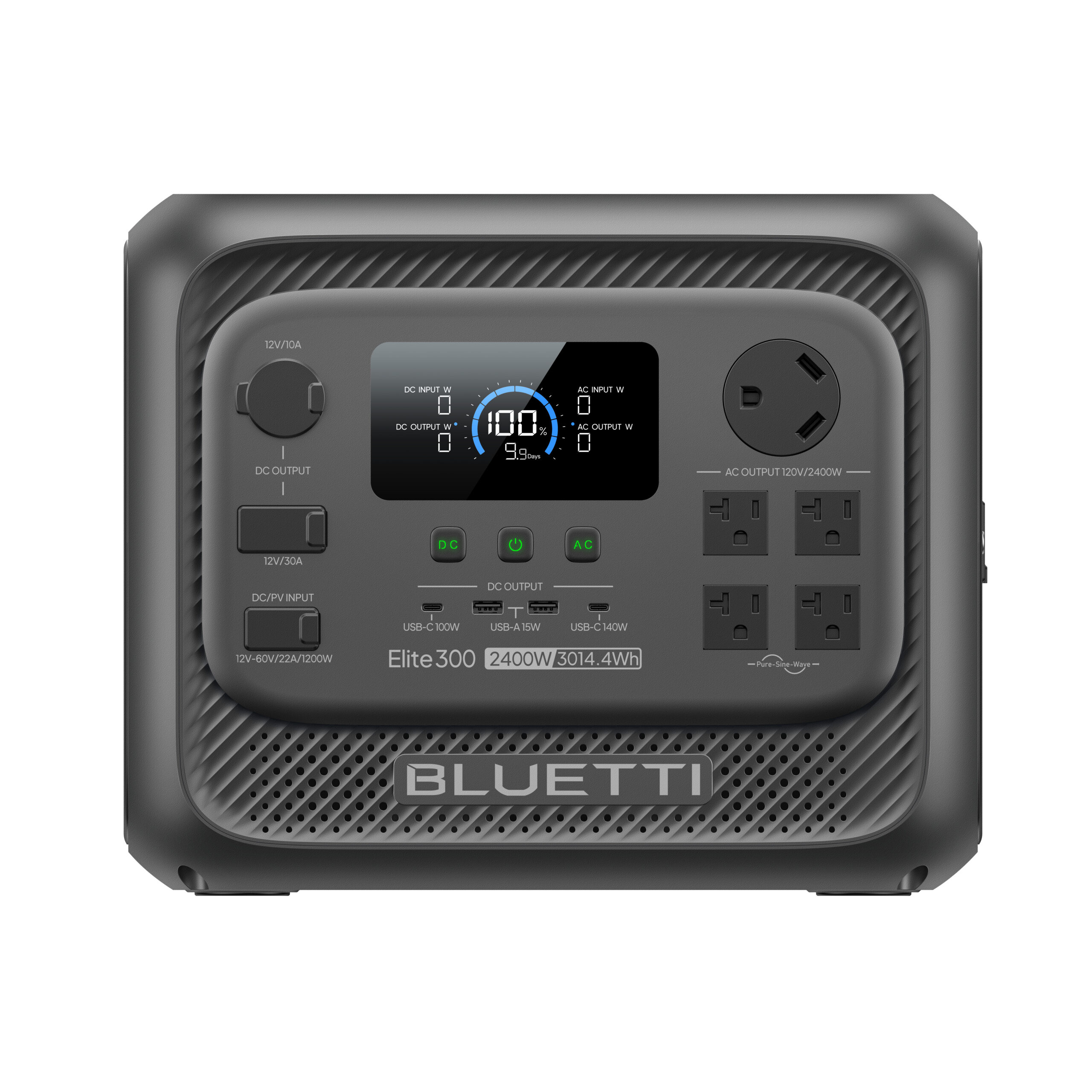
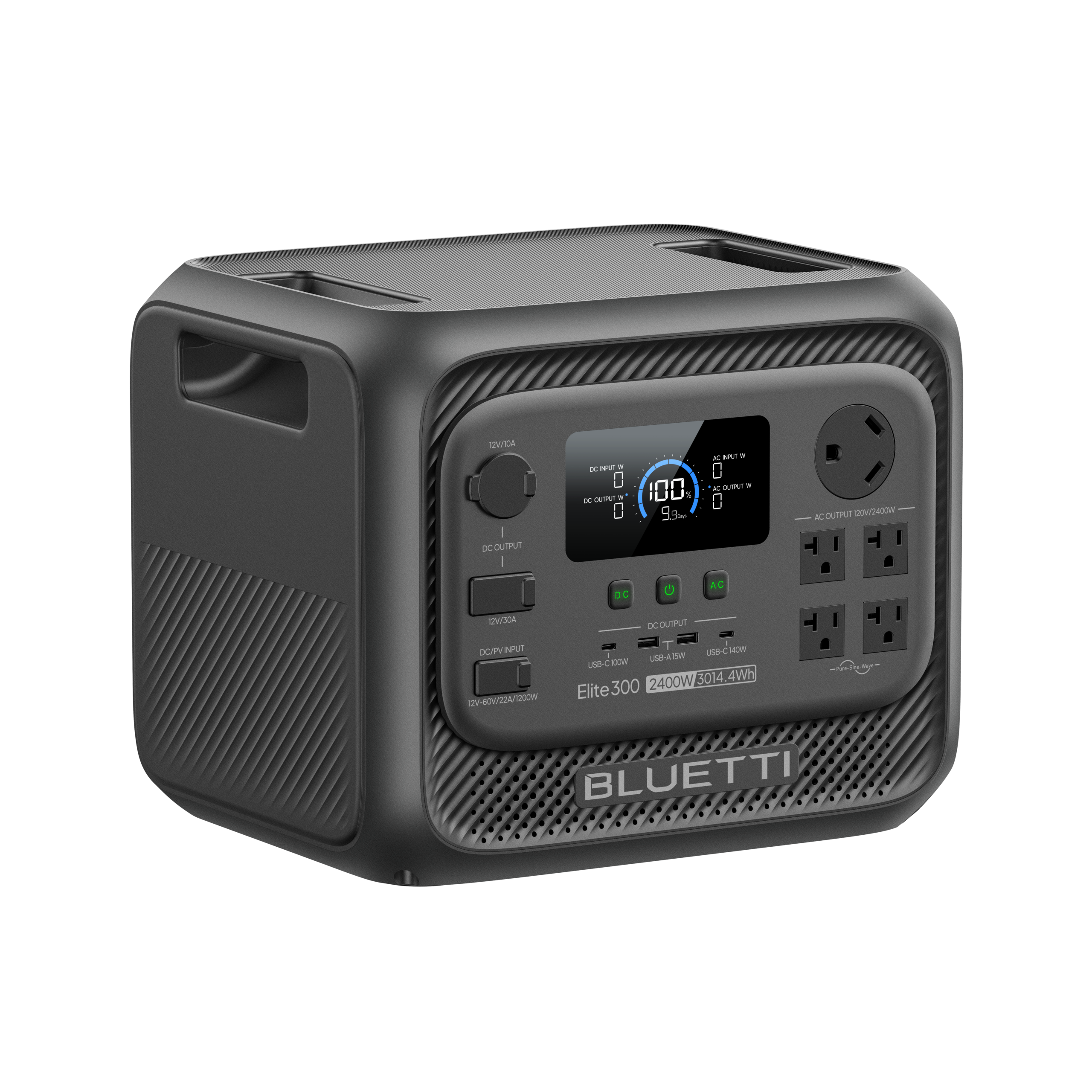
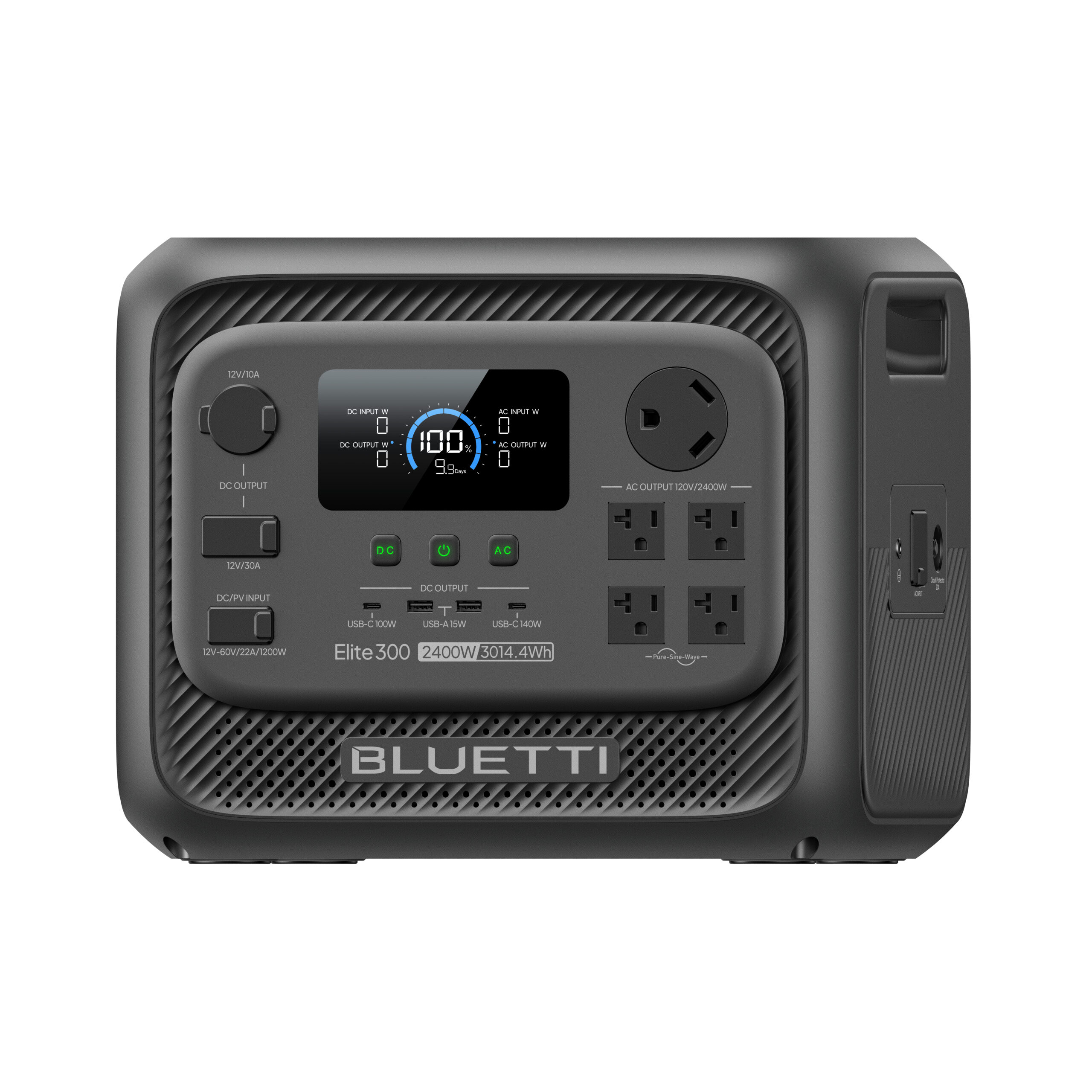
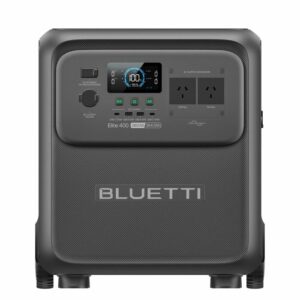
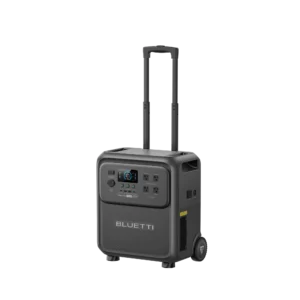
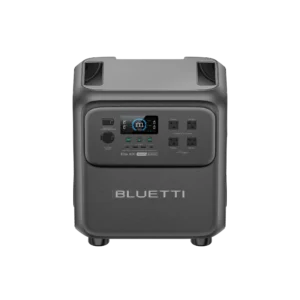
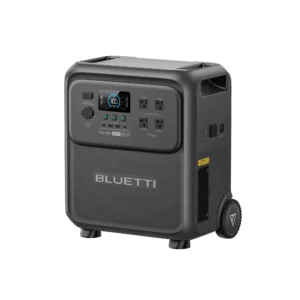
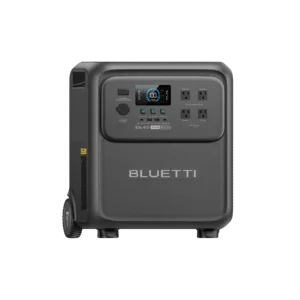
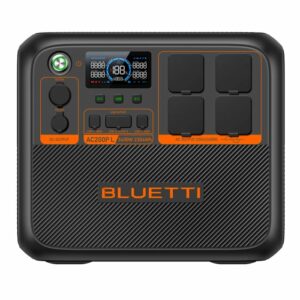
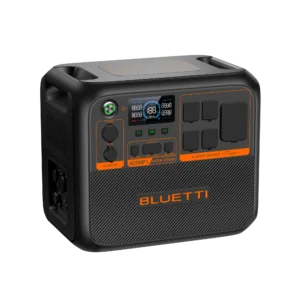
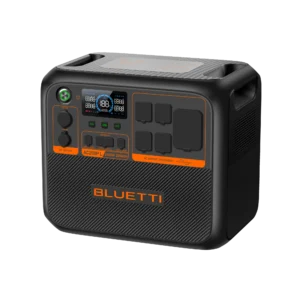
BLUETTI Apex 300 Portable Power Station | 3,840W, 2,764.8Wh
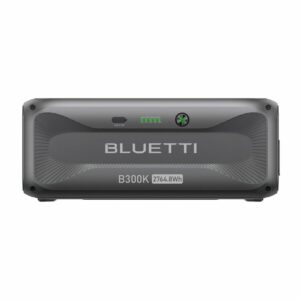
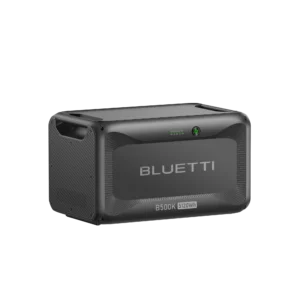
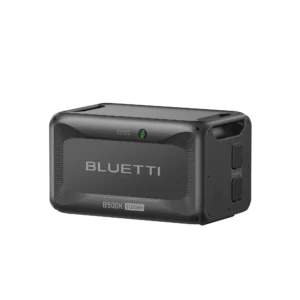
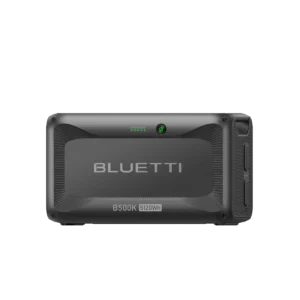
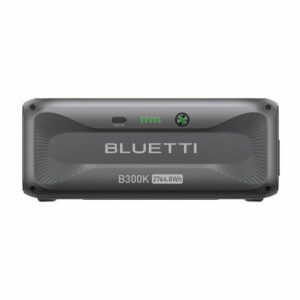
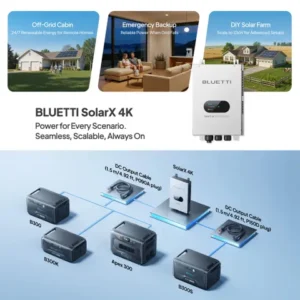
Most people buying backup power face the same problem: too small and you’re rationing on day two, too big and you’ve overspent on capacity you rarely touch. The Apex 300 sidesteps it. Start with 2,764.8Wh, add B300K expansion batteries when your needs change, and keep the same inverter, the same app and the same setup throughout.
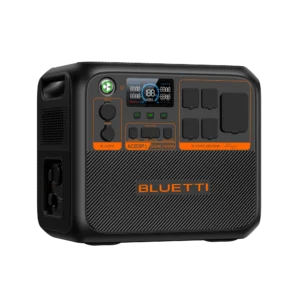
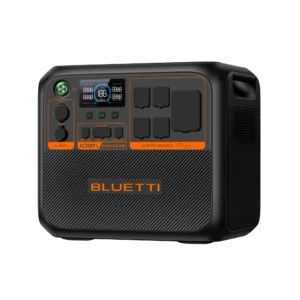
BLUETTI Apex 300 3840W 2764Wh Power Station
That matters more than the headline numbers, because the inverter is the part you can’t upgrade later. Get 3,840W of output on day one and the battery becomes a decision you can revisit.
3,840W means nothing gets refused
Continuous 3,840W with a 7,680W surge, all pure sine wave at 230V. That’s enough to start a full-size fridge, run power tools, drive a bore or pressure pump, or carry a workshop and enough surge headroom that motors don’t trip it out on startup.
Surge rating is what separates a station that runs your house from one that runs your devices. This has plenty.
What 2,764.8Wh actually covers
Capacity means nothing until you translate it. Allowing for real conversion losses:
| What you’re running | Rough draw | Approximate runtime |
|---|---|---|
| Fridge-freezer (cycling) | ~1kWh per day | ~2 days |
| Wi-Fi router + modem | ~20W | Several days |
| LED lighting, 6 fittings | ~50W | Days |
| Laptops and phone charging | ~100W | Days of normal use |
| Water pressure pump (intermittent) | 600–1,000W running | A day or more of normal household use |
| Power tools, on and off | 500–1,500W | A working day |
| 2,000W heater | 2,000W | Around an hour |
The shape of that table is the point. Essentials run for days; anything that makes heat empties it quickly. If heating or hot water is on your list, you’re looking at expansion batteries rather than a single unit.
0ms switchover: the feature you’ll notice most
When the grid drops, the Apex 300 takes over instantly. No flicker, no reboot, no lost work. Desktop computers stay up, the modem doesn’t drop, and the outage becomes something you learn about from a neighbour rather than from your screen going black.
For anyone working from home, this is the difference between an interruption and a non-event.
Fast charging and what it needs to be fast
The numbers first, then the honest footnote.
- AC input up to 3,840W — roughly 80% in about 45 minutes, full in around 65
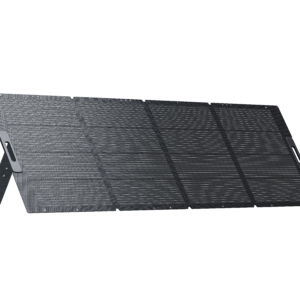
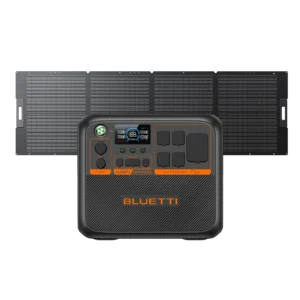
- Solar input 2,400W across dual MPPT controllers, expandable further
- Generator compatible as a fallback
The footnote that matters in New Zealand: a standard 10A wall socket delivers a maximum of about 2,300W. To reach the quoted AC charging speeds you need a higher-rated supply otherwise charging is limited by the outlet, not the unit. Likewise, hitting 2,400W of solar means a substantial array, not one or two portable panels.
None of that makes the unit slower than its competitors. It just means the headline figures describe the hardware’s ceiling, and your wiring decides how close you get. Ask us and we’ll tell you what to expect from your setup.
Ports for the whole job
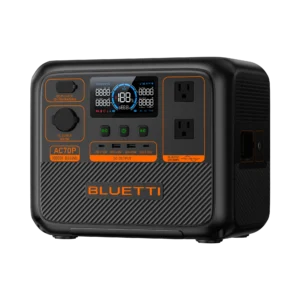
- 6 × AC outlets
- 2 × USB-C, 100W each
- 2 × USB-A, 15W each
- 1 × Anderson port, 12V/50A
- 2 × DC5521 / cigarette lighter, 12V/10A and 24V/5A
Cells rated for 6,000 cycles
Second-generation automotive-grade LiFePO₄, rated at 6,000+ cycles to 80% of original capacity. At one full cycle every day that’s roughly 16 years of service; used as occasional backup it will comfortably outlast that.
Covered by a 5-year manufacturer’s warranty on materials, workmanship and performance.
Built to keep running
- Hot-swappable batteries — change capacity without powering anything down
- Black start — bring it back from empty using solar alone, with no mains available
- App control over Wi-Fi and Bluetooth for monitoring and settings
- 50A / 12kW bypass — pass-through capacity for heavy loads (this is grid power passing through the unit, not battery output)
Right for
- Whole-house essential circuits through a multi-day outage
- Rural properties where a pump has to keep running
- Working from home without losing a second to a power cut
- Bach, cabin and off-grid setups with solar
- Trades, worksites and workshops
- Campervans and long-stay caravan sites
Honest positioning: at 38kg this is a two-person lift, and it’s designed to be placed rather than carried around. Think of it as a relocatable home battery instead of something you take to the beach. If you want portability, look at a smaller unit if you want your house to keep working, this is the right class.
Specifications
Battery
| Type | LiFePO₄ (lithium iron phosphate) |
| Capacity | 2,764.8Wh (51.2V / 54Ah) |
| Cycle life | 6,000+ cycles to 80% capacity |
| Expandable | With B300K expansion batteries [verify maximum configuration] |
Output
| AC output | 3,840W continuous / 7,680W surge |
| AC voltage | 230V |
| Inverter | Pure sine wave |
| UPS switchover | 0ms |
Input and charging
| AC input | Up to 3,840W (subject to your supply — see note above) |
| Solar input | 2 × 1,200W (2,400W total), 12–60VDC, dual MPPT |
| Car input | 12V / 24V via cigarette lighter |
Physical
| Dimensions | 525 × 327 × 320 mm |
| Weight | 38 kg |
| Charging temperature | 0°C to 40°C |
| Discharging temperature | −20°C to 40°C |
Note the charging temperature range: below 0°C the unit won’t charge. Worth knowing if you’re storing it in an unheated garage or shed through a South Island winter.
In the box
- 1 × BLUETTI Apex 300 power station
- 1 × AC charging cable
- 1 × Car charging cable
- 1 × Grounding screw
- 1 × User manual
Warranty
5-year manufacturer’s warranty covering defects in materials, workmanship and performance.

 No products in the cart.
Reviews
There are no reviews yet.