In today’s connected world, everyday objects are becoming smarter, faster, and more efficient. From smart homes in Auckland to precision farming in rural New Zealand, the Internet of Things (IoT) is quietly transforming how we live and work. But what exactly is it—and why should beginners care?
This guide breaks down the Internet of Things in simple terms, explains how it works, and shows real-world examples relevant to New Zealand businesses and households.
What Is the Internet of Things (IoT)?
The Internet of Things refers to a network of physical devices that are connected to the internet and can collect, share, and act on data.
These “things” include:
- Smart home devices (like thermostats and security cameras)
- Wearable fitness trackers
- Industrial machines
- Vehicles and transport systems
- Agricultural sensors
Instead of operating in isolation, these devices communicate with each other—often without human intervention.
Simple Example
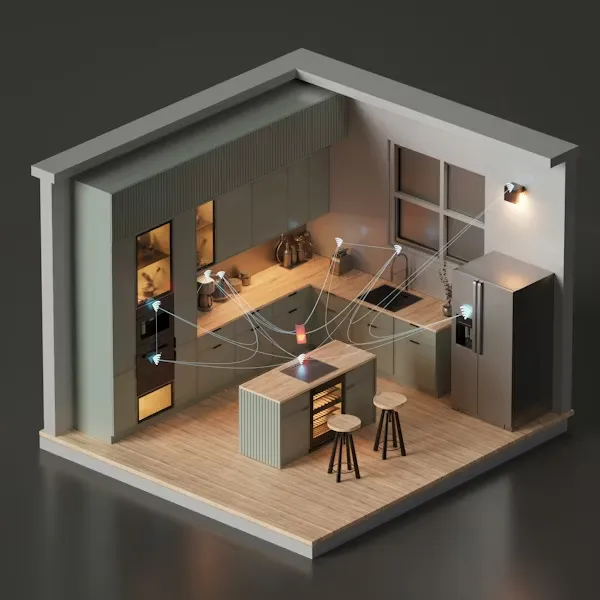
Imagine a smart home where:
- Your lights turn on automatically when you enter
- Your air conditioner adjusts based on weather
- Your phone alerts you if someone is at the door
That’s the Internet of Things in action.
How Does the Internet of Things Work?
Understanding IoT doesn’t require a technical background. It works through three simple components:
1. Devices (Sensors & Hardware)
These collect data from the environment.
Examples:
- Temperature sensors
- Motion detectors
- GPS trackers
2. Connectivity (Internet)
Devices send data through Wi-Fi, Bluetooth, or mobile networks.
3. Data Processing & Action
Software or cloud systems analyze the data and trigger actions.
Example:
- A sensor detects motion → sends data → camera starts recording → user gets a notification
Why the Internet of Things Matters in New Zealand
New Zealand is rapidly adopting IoT across industries due to its focus on innovation and sustainability.
Key reasons IoT is important in NZ:
- Supports smart agriculture (precision farming, irrigation control)
- Improves energy efficiency in homes and businesses
- Enhances transport and logistics systems
- Boosts productivity for SMEs and startups
Businesses offering tech solutions—like those featured on
👉 https://mrtech.co.nz/
are helping Kiwi companies adopt smart technologies more effectively.
Common Examples of IoT in Everyday Life
Smart Homes
- Smart lighting systems
- Voice-controlled assistants
- Security cameras
Healthcare
- Wearable fitness trackers
- Remote patient monitoring
Agriculture (Very Relevant in NZ)
- Soil moisture sensors
- Livestock tracking systems
- Automated irrigation
Retail & E-commerce
- Smart inventory systems
- Automated checkout
You can explore IoT-enabled products and devices here:
👉 https://mrtech.co.nz/shop/
Benefits of the Internet of Things
The Internet of Things offers a wide range of advantages for individuals and businesses.
1. Convenience
Devices automate everyday tasks, saving time and effort.
2. Efficiency
- Reduces energy usage
- Optimizes operations
- Minimizes waste
3. Cost Savings
- Lower electricity bills
- Predictive maintenance reduces repair costs
4. Real-Time Insights
Businesses can make faster, data-driven decisions.
5. Improved Safety
- Smart alarms
- Remote monitoring
- Emergency alerts
Real-World IoT Use Cases in New Zealand
1. Smart Farming (AgriTech)
Farmers use IoT sensors to:
- Monitor soil conditions
- Track livestock health
- Optimize irrigation
This is critical for New Zealand’s agriculture-driven economy.
2. Smart Cities
Cities like Auckland are adopting IoT for:
- Traffic management
- Waste management
- Public safety
3. Energy Management
IoT helps households:
- Track energy consumption
- Use solar power efficiently
Pros and Cons of the Internet of Things
Pros
- Automation improves productivity
- Better decision-making with real-time data
- Enhanced user experience
- Scalable for businesses
Cons
- Privacy and security concerns
- Initial setup cost
- Dependence on internet connectivity
- Complexity in large systems
Is IoT Secure?
Security is one of the biggest concerns with the Internet of Things.
Since devices are connected, they can be vulnerable to cyber threats if not properly secured.
Best Practices:
- Use strong passwords
- Keep software updated
- Use secure networks
- Choose trusted providers
For a deeper technical overview, you can refer to:
👉 https://www.oracle.com/anz/internet-of-things/
Future of the Internet of Things
The future of the Internet of Things is incredibly promising.
Trends to watch:
- Integration with AI (Artificial Intelligence)
- 5G-powered smart devices
- Autonomous vehicles
- Advanced healthcare monitoring
In New Zealand, IoT adoption is expected to grow across:
- Agriculture
- Logistics
- Smart homes
- Retail tech
How Businesses Can Use IoT (Beginner Perspective)
If you’re a business owner or entrepreneur in NZ, IoT can help you:
Improve Operations
- Track assets
- Monitor performance
Enhance Customer Experience
- Personalized services
- Faster delivery systems
Reduce Costs
- Automation lowers labor and operational costs
Getting Started with IoT
You don’t need to build complex systems to start.
Beginner Steps:
- Start with a smart device (e.g., smart plug or camera)
- Use mobile apps to control devices
- Expand gradually into automation
Businesses can partner with tech providers to implement scalable IoT solutions.
FAQs About the Internet of Things
1. What is the Internet of Things in simple terms?
The Internet of Things is a system where everyday devices connect to the internet and communicate with each other to automate tasks.
2. How is IoT used in New Zealand?
IoT is widely used in agriculture, smart homes, energy management, and logistics.
3. Is IoT expensive to implement?
It depends on the scale. Small setups are affordable, while large business systems require investment.
4. Is IoT safe to use?
Yes, if proper security measures like updates and strong passwords are used.
5. What are examples of IoT devices?
Smart thermostats, fitness trackers, security cameras, and connected appliances.
6. Can small businesses use IoT?
Absolutely. IoT helps small businesses improve efficiency and reduce costs.
7. What is the future of IoT?
IoT will continue to grow with AI, 5G, and smart infrastructure development.
Conclusion
The Internet of Things is no longer a futuristic concept—it’s already shaping how people and businesses operate across New Zealand. From smart homes to advanced farming systems, IoT is making everyday processes smarter, faster, and more efficient.
For beginners, the key is to start small, understand the basics, and gradually explore how connected devices can improve your lifestyle or business operations.
As adoption continues to rise, those who embrace the Internet of Things early will be better positioned to stay competitive in an increasingly digital world.
 No products in the cart.